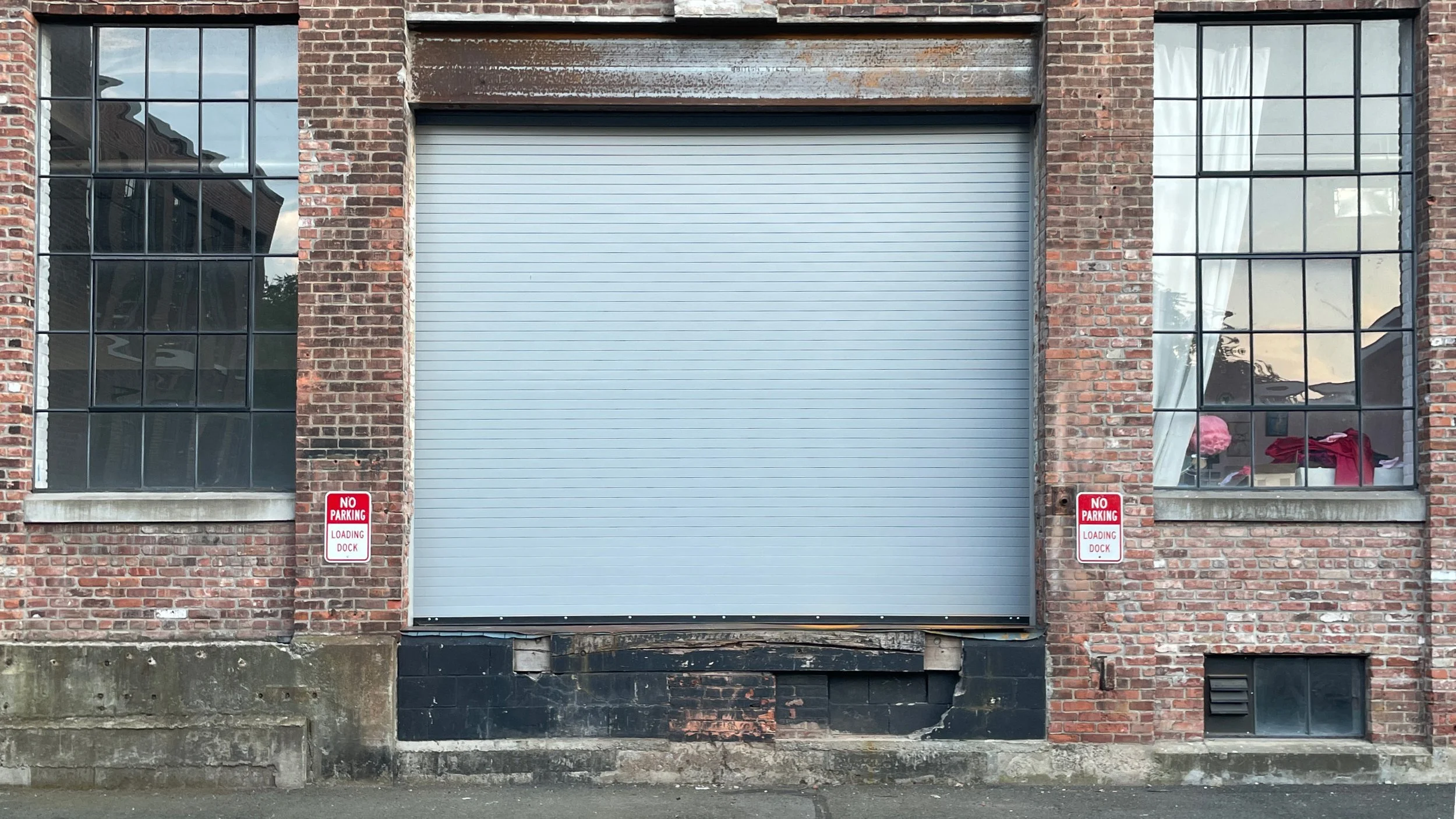
How could this be otherwise?
curated by Caitlin Tucker-Melvin
featuring work by
Eric Ehrnschwender
Sophie Eisner
Anne Schaefer
Hannah Vaughan
HOW COULD THIS BE OTHERWISE? brings together the work of artists Eric Ehrnschwender, Sophie Eisner, Anne Schaefer, and Hannah Vaughan. This reflective question-cum-title is a warm up to bring us into an open state of looking. Each work is an opportunity to ask, is what I’m seeing what I think I am seeing? Does this feel like it looks? Is there another way I could understand this? Is there another perspective I could take?
With their craft as a well-honed muscle guiding their curiosity, each artist is able to give into capriciousness—following their senses from the first nascent question of what does this do all the way through to the final work. Their work underlines that play is a skill, something you learn with others that has to be continually developed and practiced; curiosity is innate, it is something you follow. Discovery is made through enthusiastic and joyful response to the emergent qualities in the material. These artists delight in this uncovering, and delight in offering it in turn to the viewer through the work. Iteration and mutability of icons, materials, images slows down the pace of looking, causing us to double back, cross-reference, and find surprises slowly.
Besides their curiosity and love of material, what initially drew this group together was the desire for a space to receive the useful insights and conversations of a critique space. In the Spring of 2024, Hudson Valley Art Collective (HVAC) was born, an informal group of artists meeting for supportive critical conversations about each other's work held in each of our spaces.
In the space of a critique, the point is often to offer visual connections, questions, kernels of one's separate experience in service of new perspective for the artist sharing their space and work. Sometimes the context of a critique is academic, with one leader setting the tone. Occasionally the spirit is less generous, a break-you-to-down-to-build-you-up tactic is taken. At times the goal is to make the work fit within a larger art historical cannon. Our conversations champion the individual, idiosyncratic goals of each artist which are ascertained with thoughtful questions and careful looking to arrive at critique rooted in the artist's intention. The playful camaraderie of the group allows for ease and comfort; together we easily arrive at the goal of becoming aware of what other people notice about the work.
In the spirit of this group and the way each of these artists works, we have developed guiding questions keyed to the tune of each artist’s work.
Ehrnschwender’s graspable, almost familiar wood-and-ceramic objects allow for endless combinations. These smaller, hand-held works are joined by their almost human-scale siblings that transmute their forms, scaling up texture and details. How does a hand sized object feel different from a body sized object? Is one more or less inviting? Are there particular objects that feel more identifiable / nameable? Do other people assign similar names to these same objects?
Eisner’s blue velvet sculptures–cribbed from violin cases and schematic drawings–create a perfect space for an object to enter, their voids are right there for us to imagine slotting into. Who is this for? What is this for? And for the individual objects: Where else could I imagine seeing this? What is fixed in this work and what is unfixed?
Schaefer’s paintings are flanked by work from The Stacks, her term for the looser, more immediate works on paper often made with one color or gesture. These images repeated and layered build the larger paintings whose vibrating planes create spaces full of movement and light. What touch point are you seeing that is recontextualized? What fixed system is being subverted?
Vaughan’s BLOCKS are meant to push and tumble, to be rearranged, to build on the work of the person who came to play before you. What are these blocks for? What do they make when you put them together? Can you sit on them? What can you glean from the prior arrangement?
-Caitlin Tucker-Melvin, curator
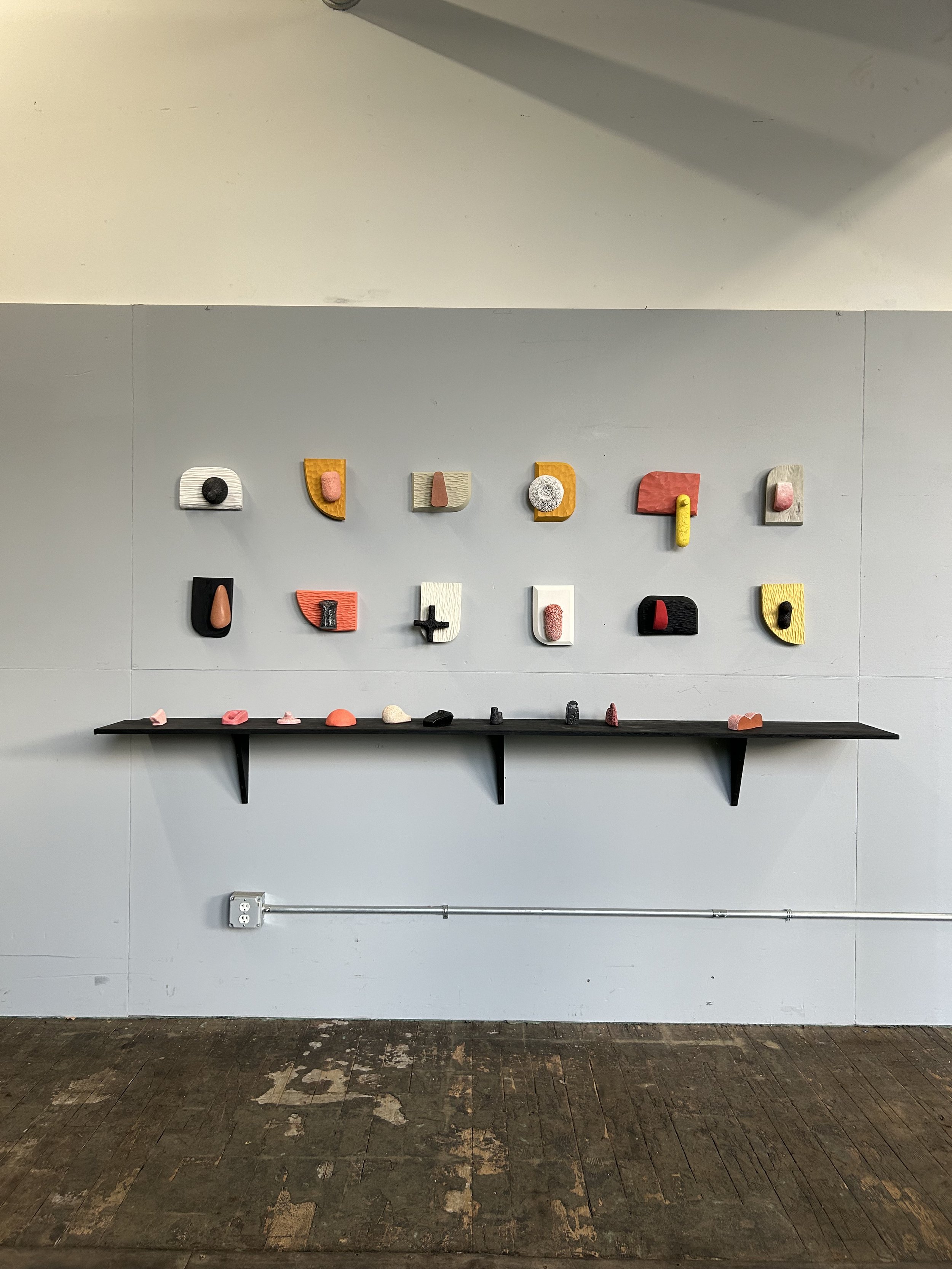
Eric Ehrnschwender Cooperative Phrasing Wood, ceramic 8”x6”x4.5” each 2024
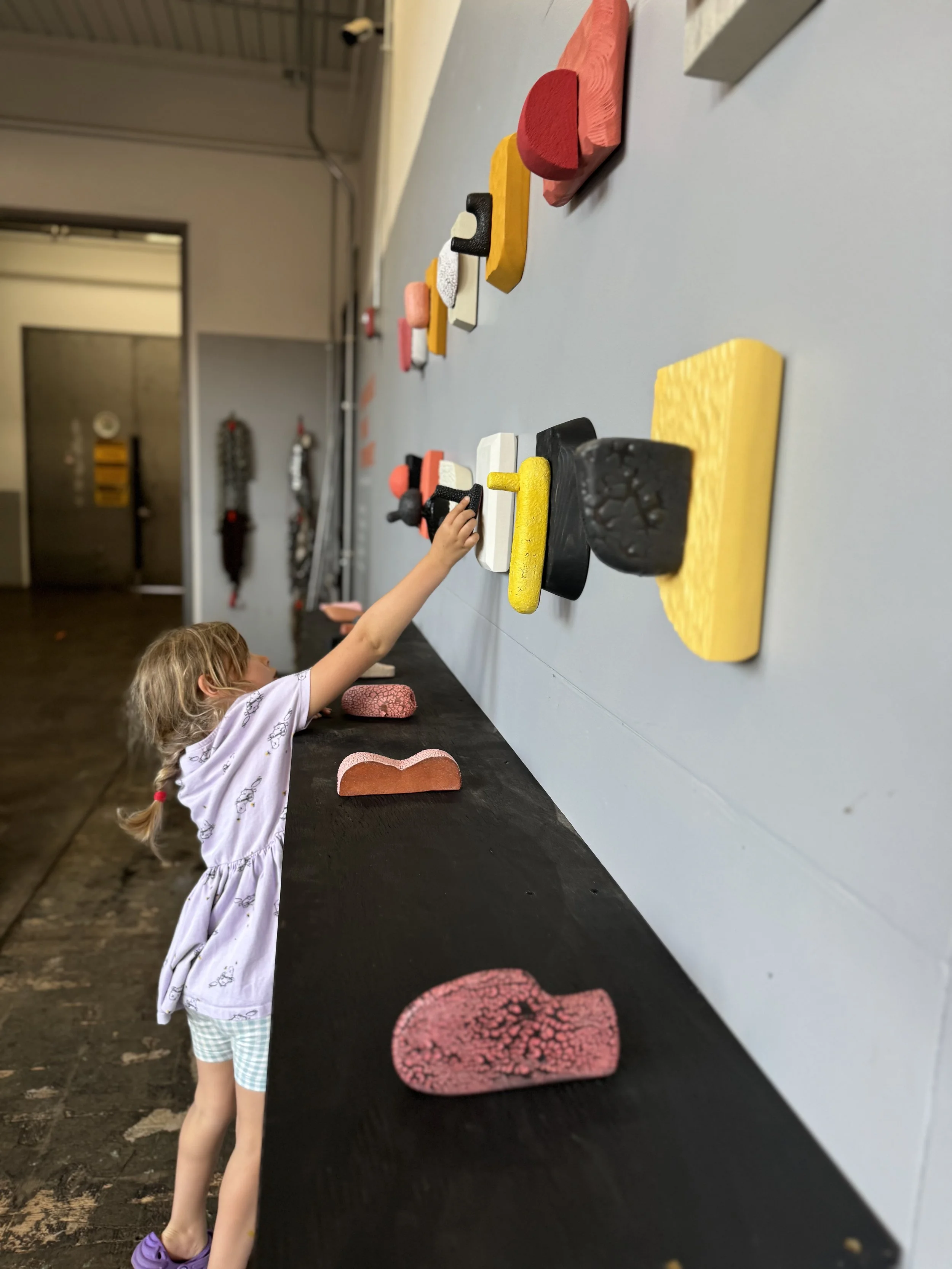
Eric Ehrnschwender Cooperative Phrasing Wood, ceramic 8”x6”x4.5” each 2024
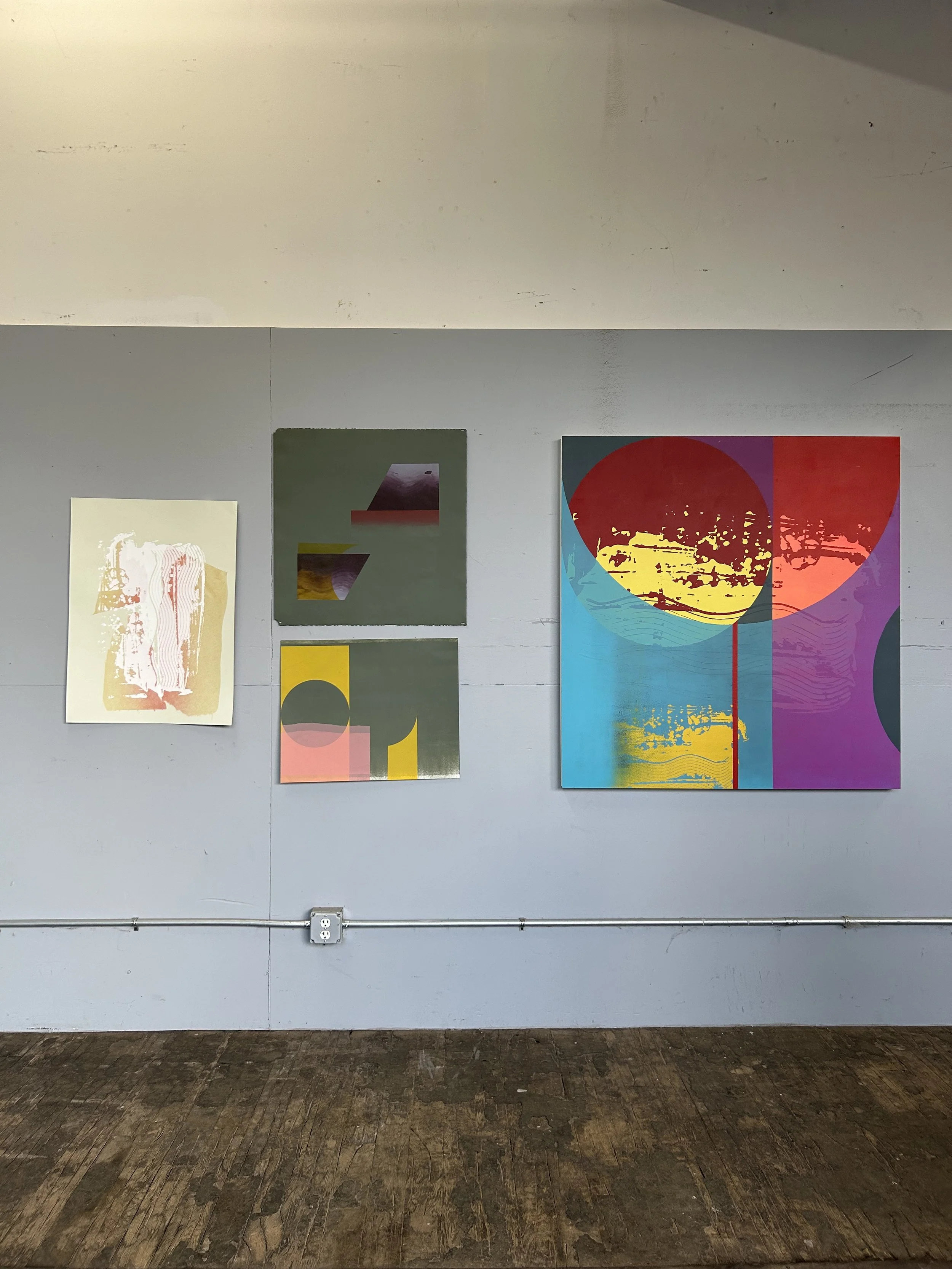
Anne Schaefer when Acrylic paint, silkscreen, latex paint on paper 22”x30” 2020-2024 a pair Silkscreen, latex paint on paper 26”x 26.25” 2020-2024 trying to meet you where you are Silkscreen, latex paint on paper 24”x 19” 2020-2024 cast back Acrylic paint, silkscreen, latex paint on PVC 45”x 47” 2024

Sophie Eisner The Thing That Is Held Velvet, wood 64”x 38” x 44” 2024
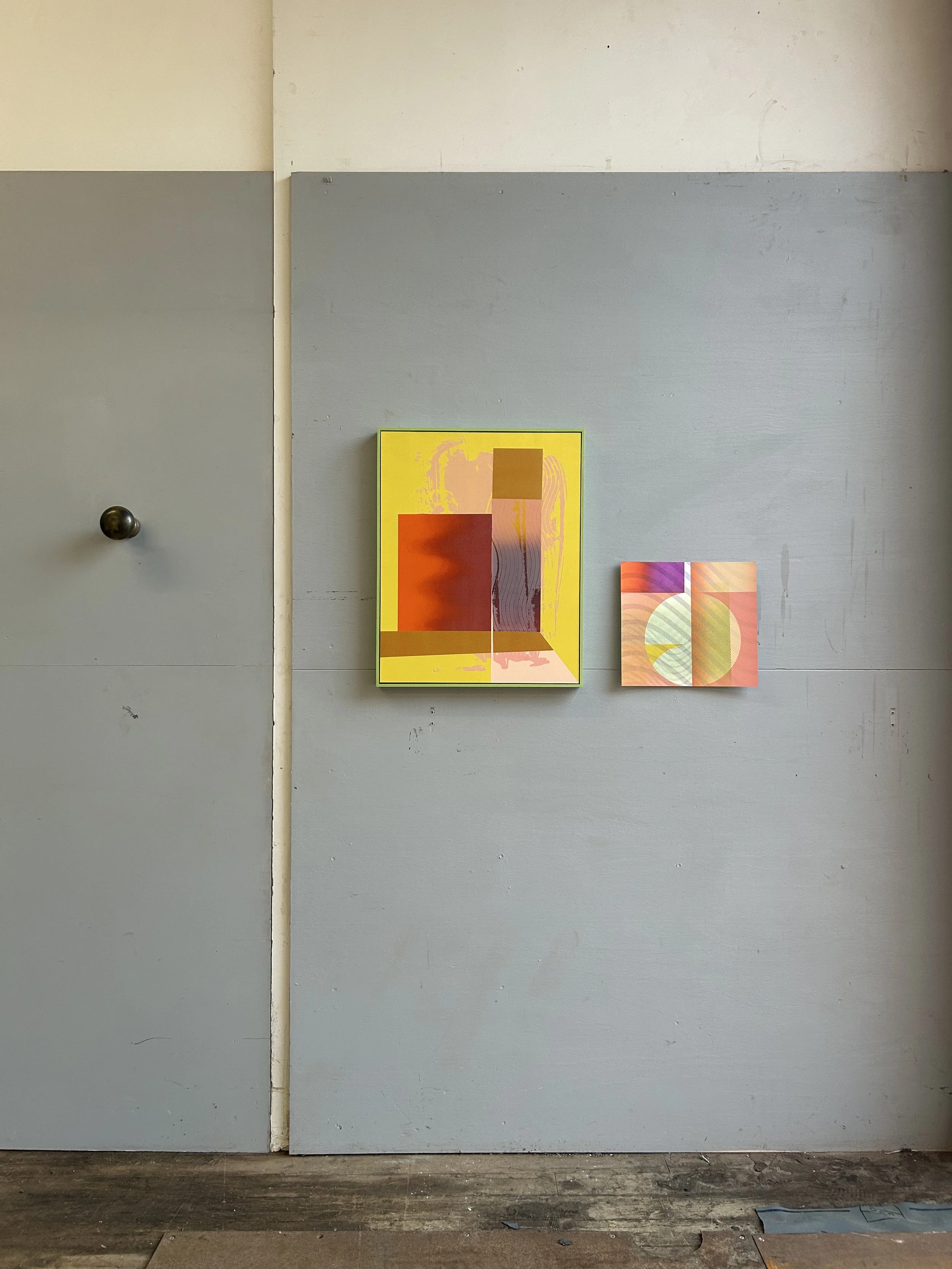
Anne Schaefer a series of roadblocks Acrylic paint, silkscreen, latex paint on PVC 20” x 25” 2023 channeling Acrylic paint, silkscreen, latex paint on paper 13” x 12” 2020-2024
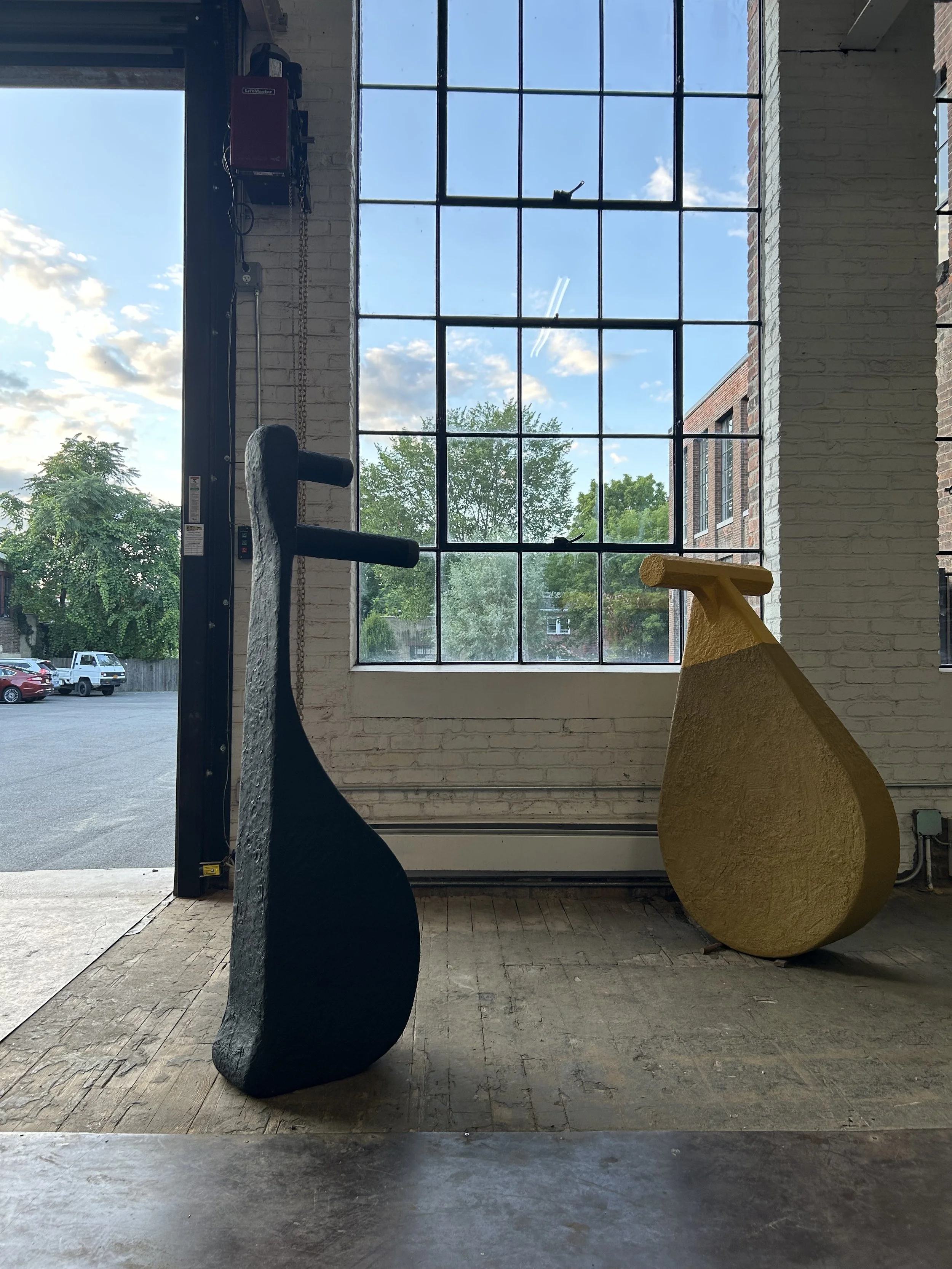
Eric Ehrnschwender Untitled Wood 11” x 17” x 60” 2024 Untitled Wood 25” x 31.5” x 53.75” 2024
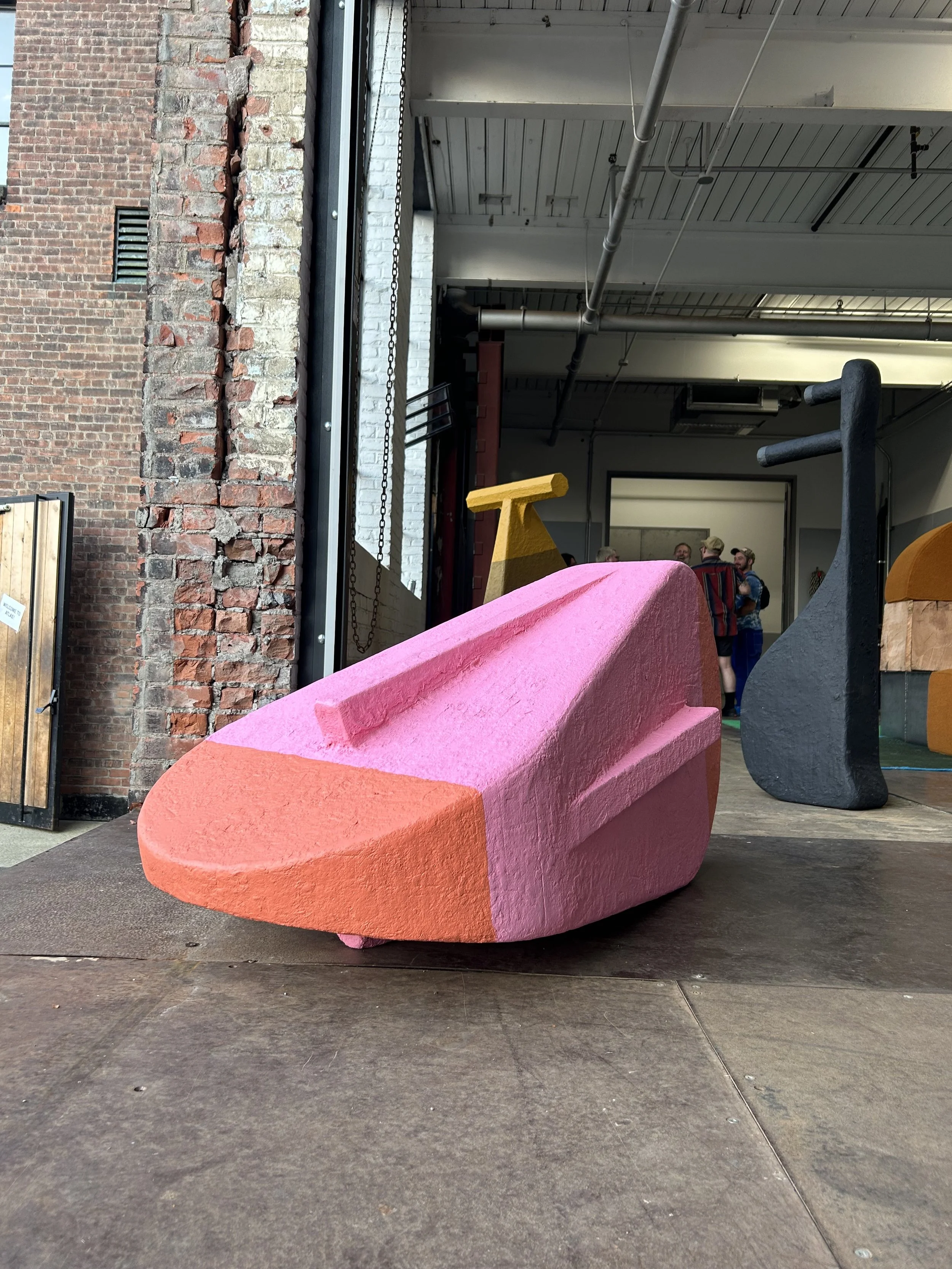
Eric Ehrnschwender Untitled Wood 54” x 25” x 27” 2024
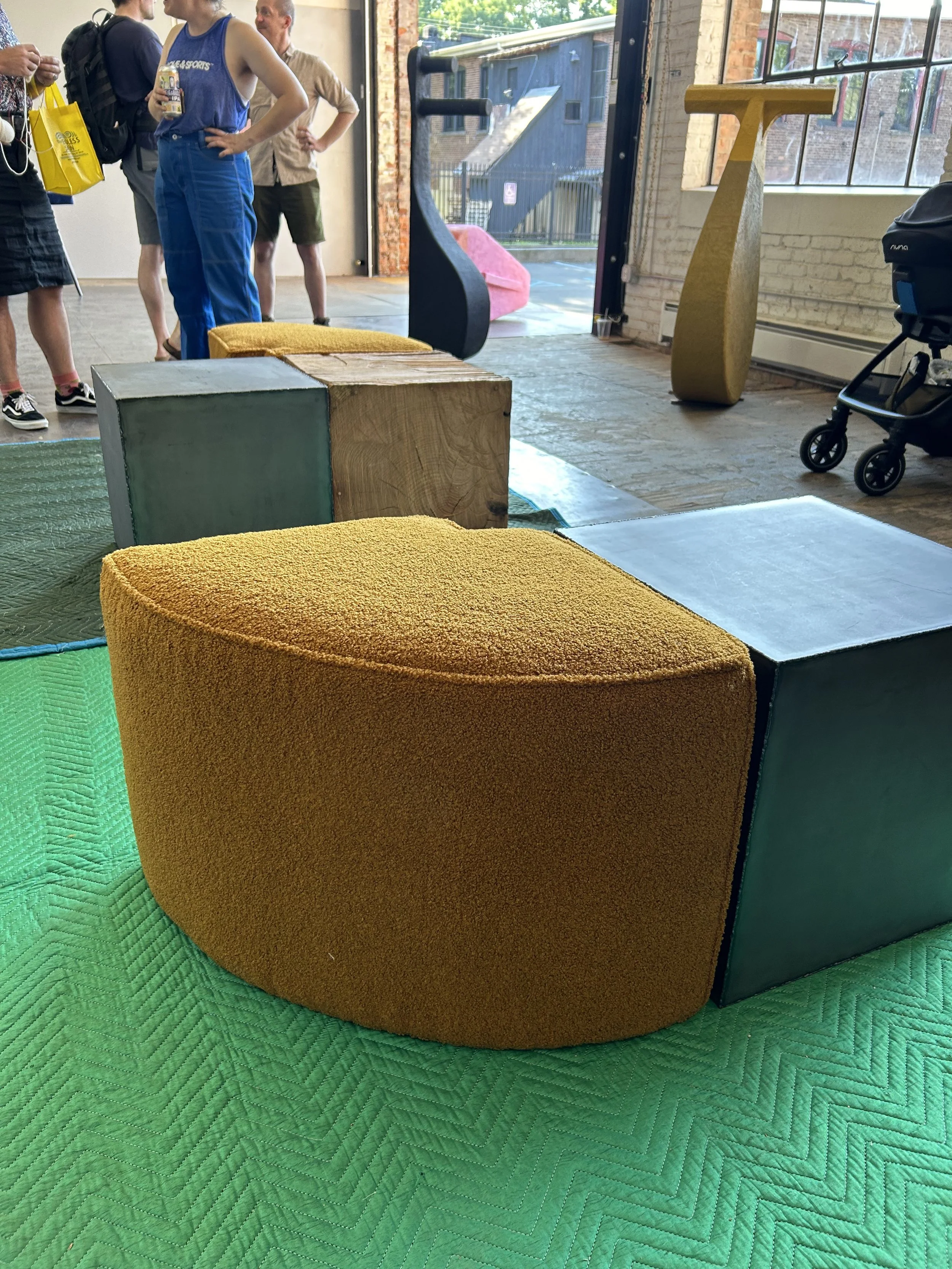
Hannah Vaughan BLOCKS Wood, steel, fabric 18” x 18” x 18” 2024
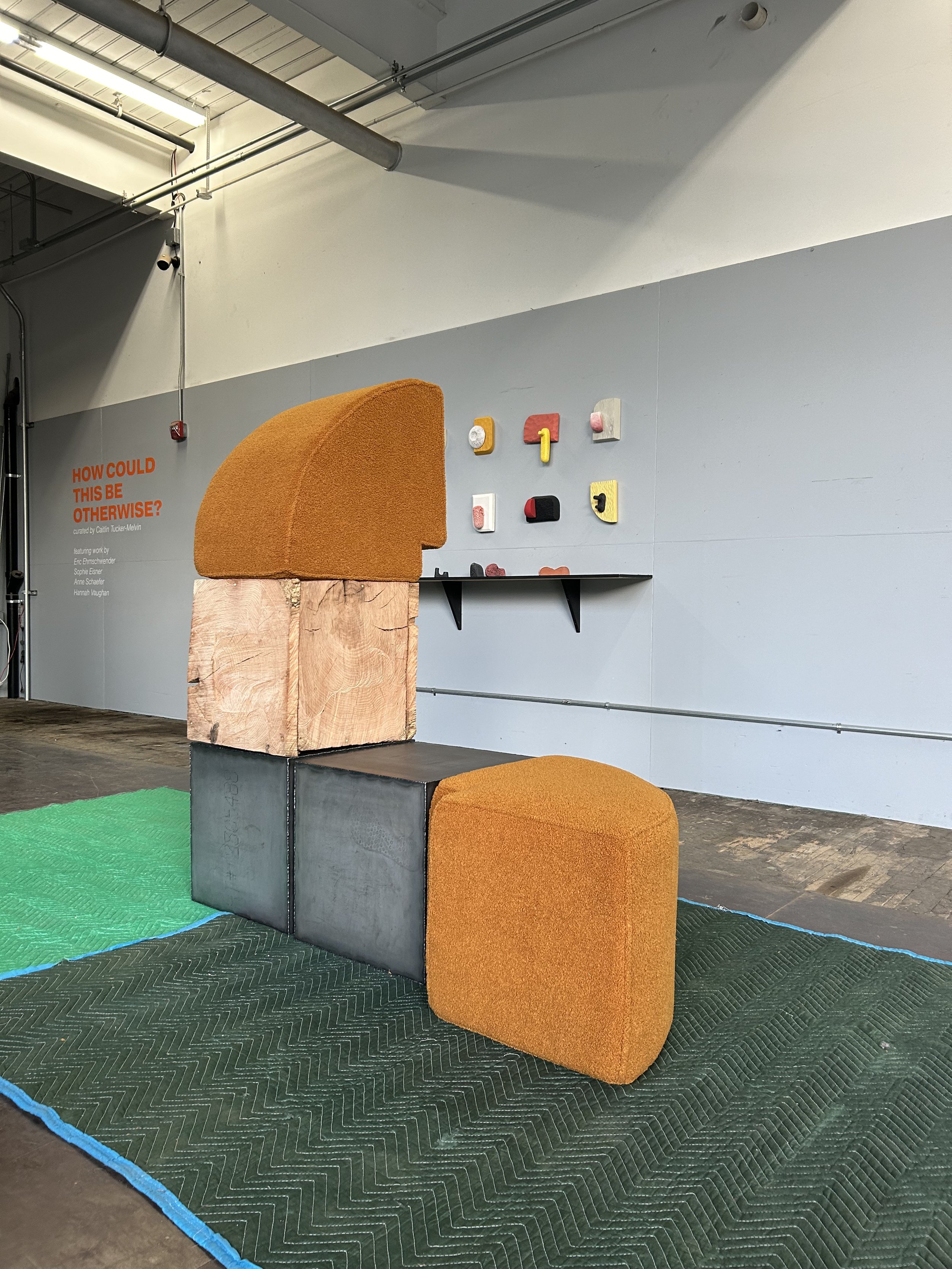
Hannah Vaughan BLOCKS Wood, steel, fabric 18” x 18” x 18” 2024
Atlas STUDIOS
11 Spring Street, Newburgh, NY 12550
(Loading Dock)
HOURS
OPENING RECEPTION:
Friday, July 19, 5 PM - 8 PM
ADDITIONAL HOURS:
Saturday, July 20 &
Sunday, July 21, 12 PM - 5 PM
-
Eric Ehrnschwender
-
Sophie Eisner
-
Anne Schaefer
-
Caitlin Tucker-Melvin
-
Hannah Vaughan